An In-Depth Guide to ADHD
Explore the science, lived experiences, and core traits of the ADHD neurotype.
The Science & Reality
Understanding the neurological truths behind ADHD helps break the cycle of feeling "broken."
The Dopamine Factor
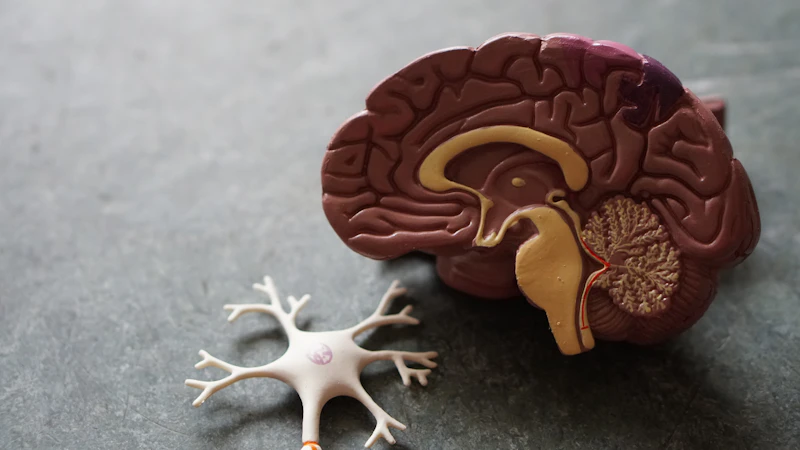
ADHD isn't a behavior problem; it's a neurological one. ADHD brains typically have lower baseline levels of dopamine and norepinephrine—the neurotransmitters responsible for motivation, reward, and executive function.
This chemical difference explains why doing "boring" or under-stimulating tasks feels physically painful and almost impossible to initiate. Conversely, when a task is highly interesting, challenging, or urgent, the brain receives a surge of dopamine, triggering intense hyperfocus. You aren't lazy; your brain literally requires a different type of fuel to get into gear.
This is often called an "interest-based nervous system." It's not that you can't pay attention, but rather that your ability to direct your attention is determined by intrinsic interest or external pressure, not by a sense of importance.

It's Highly Heritable
ADHD is strongly genetic. Extensive research indicates it has a heritability rate of roughly 74-80%, making it nearly as heritable as human height.
If you are diagnosed with ADHD as an adult, there is a very high probability that one of your parents, siblings, or children also shares this neurotype, even if they were never formally diagnosed or if their symptoms present differently.
This knowledge can be incredibly validating. It reframes personal struggles as a shared, inherited neurological difference rather than a personal failing, which can foster greater self-compassion and family understanding.
Source: World Federation of ADHD (2021)
The Masking Effect
ADHD doesn't always look like the stereotypical "hyperactive little boy who can't sit still." For many, particularly women and highly intelligent individuals, the hyperactivity is internalized.
Internal symptoms look like a racing mind, chronic exhaustion, severe anxiety, and constant daydreaming. Because these individuals develop sophisticated "masking" strategies to blend in and meet societal expectations, they are frequently misdiagnosed with anxiety or depression for decades before discovering the root cause is actually ADHD.
Masking is an exhausting, full-time job of monitoring your every word and action. This immense energy expenditure is a primary contributor to ADHD-related burnout and the feeling of being an imposter.

Lived Experiences
Does any of this sound familiar? You are not alone. Here is how adult ADHD actually manifests in daily life.
Task Paralysis & The "Wall of Awful"
Have you ever sat on your couch, staring at a simple task you need to do (like folding laundry or sending a one-line email), intensely wanting to do it, screaming at yourself internally to just get up and do it... but your body remains physically frozen?
This is Executive Dysfunction, commonly known as Task Paralysis. The emotional friction of starting a task builds up an invisible "Wall of Awful" that the ADHD brain struggles to climb without the adrenaline of an impending deadline.
It is not procrastination, which is choosing to do something more fun. Task paralysis is a brain-body disconnect; a 'freeze' response where the executive function system fails to initiate action, often due to overwhelm, fear of failure, or lack of stimulation.


Time Blindness
Time blindness is the inability to physically sense the passing of time or accurately estimate how long tasks will take.
Because the ADHD brain struggles to track time naturally, you might intend to check your phone for "five minutes" but look up to realize two hours have passed. You might also consistently think you have plenty of time to get ready, only to end up rushing and running late.
This fear of losing track of time also causes "Waiting Mode." If you have an important meeting at 4 PM, you might feel completely paralyzed and unable to start any other tasks earlier in the day because you are terrified of missing your appointment.
Emotional Intensity & RSD
People with ADHD feel emotions powerfully. While this means you can experience incredible joy and profound empathy, it also brings deep challenges.
Many experience Rejection Sensitive Dysphoria (RSD)—an extreme, almost physical emotional pain triggered by the perception of being rejected, criticized, or failing. In adults, this often manifests as debilitating perfectionism, chronic people-pleasing, or avoiding trying new things entirely to prevent the possibility of failure.
This is not just being "too sensitive." RSD is a neurological reaction. The brain interprets minor social friction as a severe threat, triggering an intense and overwhelming emotional response that is disproportionate to the situation.


Hyperfocus
ADHD is poorly named. It's not a deficit of attention, but an inability to regulate it.
When an ADHD brain finds something novel, challenging, or highly interesting, it can lock onto it with laser-like intensity. You might spend 12 straight hours researching a new hobby, completely forgetting to eat, drink water, or use the restroom. While this can be a powerful asset, it frequently leads to severe exhaustion and burnout when the dopamine wears off.
The "dark side" of hyperfocus is that it's often impossible to direct it at will. You can't choose to hyperfocus on your taxes, but you might accidentally hyperfocus on a video game until 4 AM, neglecting sleep and other important responsibilities.